A three-day itinerary through Portugal’s Historic Villages
This three-day route links five of Portugal’s Historic Villages in a practical order: Monsanto and Idanha-a-Velha, Sortelha and Belmonte, then Trancoso. The distances are approximate and assume you are travelling by car, the simplest way to reach villages connected by rural roads. Allow time to explore on foot: cobbled lanes and steep streets make visits slower than the map might suggest.
Published
Planning the route
Start in Monsanto, in the municipality of Idanha-a-Nova, and finish in Trancoso. This order avoids doubling back and divides the driving into three manageable stages: the Idanha area on day one, Sortelha and Belmonte on day two, and Trancoso on day three. Allow roughly 190 to 210 kilometres between the five villages, excluding detours, accommodation and driving within the surrounding areas.
Distances vary according to the roads chosen and your exact starting and finishing points. As a guide, Monsanto to Idanha-a-Velha is about 20 km; Idanha-a-Velha to Sortelha around 75 to 85 km; Sortelha to Belmonte approximately 25 km; and Belmonte to Trancoso about 70 to 80 km. Check your route before setting off, particularly if a navigation app suggests a shortcut along minor roads.
Two overnight stops make the trip more comfortable: one around Idanha or Monsanto, and another in Belmonte or near the Serra da Estrela. Staying in one base is possible, but means accepting longer drives. Bring shoes with good grip, water and sun protection. Historic centres have uneven paving, and Monsanto, Sortelha and Trancoso involve uphill walking.
- Day 1: Monsanto and Idanha-a-Velha.
- Day 2: Sortelha and Belmonte.
- Day 3: Trancoso.
Day 1: Monsanto and Idanha-a-Velha
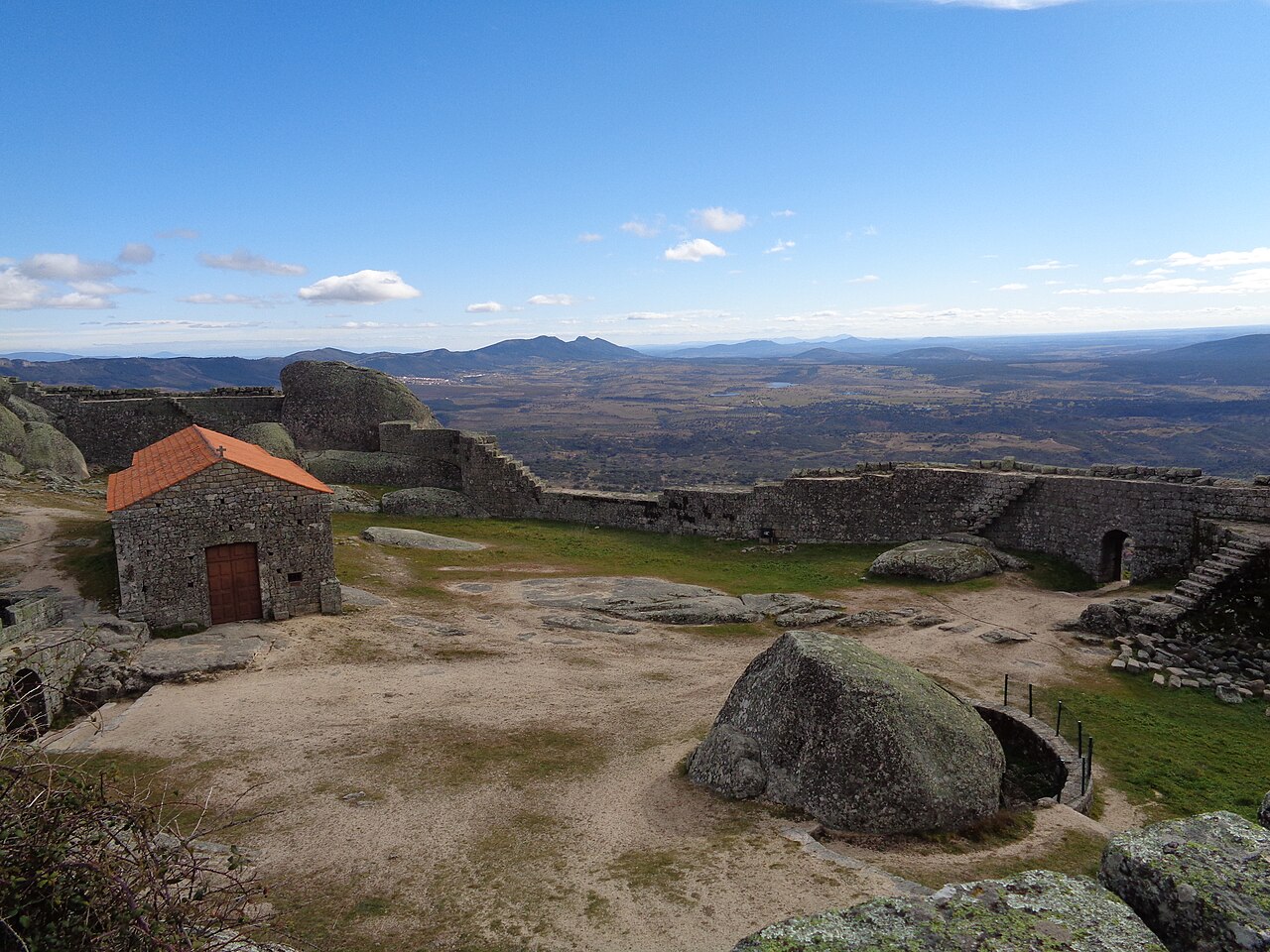
Begin early in Monsanto, where granite houses sit among large rock formations. Walk the narrow lanes and notice how the rocks are incorporated into the buildings, sometimes serving as walls or roofs. The climb to the medieval castle takes effort, but offers broad views across the Beira Interior landscape. The enclosure contains ruins and historic features; leave enough time to explore carefully, as the ground is uneven.
Allow two to three hours in Monsanto, or longer if you plan to walk along the surrounding paths. Do not expect to explore the whole village by car: parking and access are limited in the old streets. Then drive roughly 20 km to Idanha-a-Velha, a small settlement with remains from several periods. Its Roman and medieval heritage reflects the importance of the former Roman town known as Civitas Igaeditanorum.
At Idanha-a-Velha, follow sections of the walls and look for the North Gate and the Roman bridge over the River Pônsul. The former cathedral, also known as the Church of Santa Maria, is part of the village’s historic core. Archaeological remains and reused stonework in later buildings are among the things to look out for. Access to interiors and museum spaces can vary, so check locally if a particular site is important to your plans.
Although the village is small, allow at least an hour and a half to two hours for a walk and a closer look at the remains. At the end of the day, stay near Idanha-a-Nova or begin moving towards Sortelha. The latter option reduces the following day’s drive, but means a longer journey after your visit to Idanha.
Day 2: Sortelha and Belmonte
Drive to Sortelha, around 75 to 85 km from Idanha-a-Velha. The route crosses the Beira Interior and takes longer than an equivalent urban journey, with secondary roads and changing speeds. Enter Sortelha through the village gate and walk its medieval street plan within the walls. The castle and fortifications shape the settlement, while stone houses and narrow lanes preserve a scale very different from a modern town.
Allow about two hours for Sortelha. Alongside the castle, look out for the pillory, the gates and corners beside the walls. There are slopes, steps and uneven paving, so the walk may be difficult for visitors with limited mobility. Choose a route on foot rather than trying to cover everything quickly, and leave time to stop at viewpoints. Services may be limited, particularly outside busier periods.
Sortelha to Belmonte is approximately 25 km. In Belmonte, combine the historic centre with the story of its Jewish community and the Cabral family. The castle overlooks the settlement and is associated with the family of Pedro Álvares Cabral. In the centre, look for the former Jewish quarter and Beit Eliahu Synagogue; local museums explore Jewish heritage and the history of the Portuguese Discoveries. Opening times, admission arrangements and access can change, so check current details before planning visits indoors.
Allow two to three hours in Belmonte, depending on how many sites you want to enter. If museums and religious heritage are a priority, check in advance which places are open that day. Try regional food for dinner, and, if you are continuing through the mountain area, look out for Serra da Estrela cheese. Stay in Belmonte or nearby so you can reach Trancoso with time to explore on day three.
Day 3: Trancoso and its historic centre
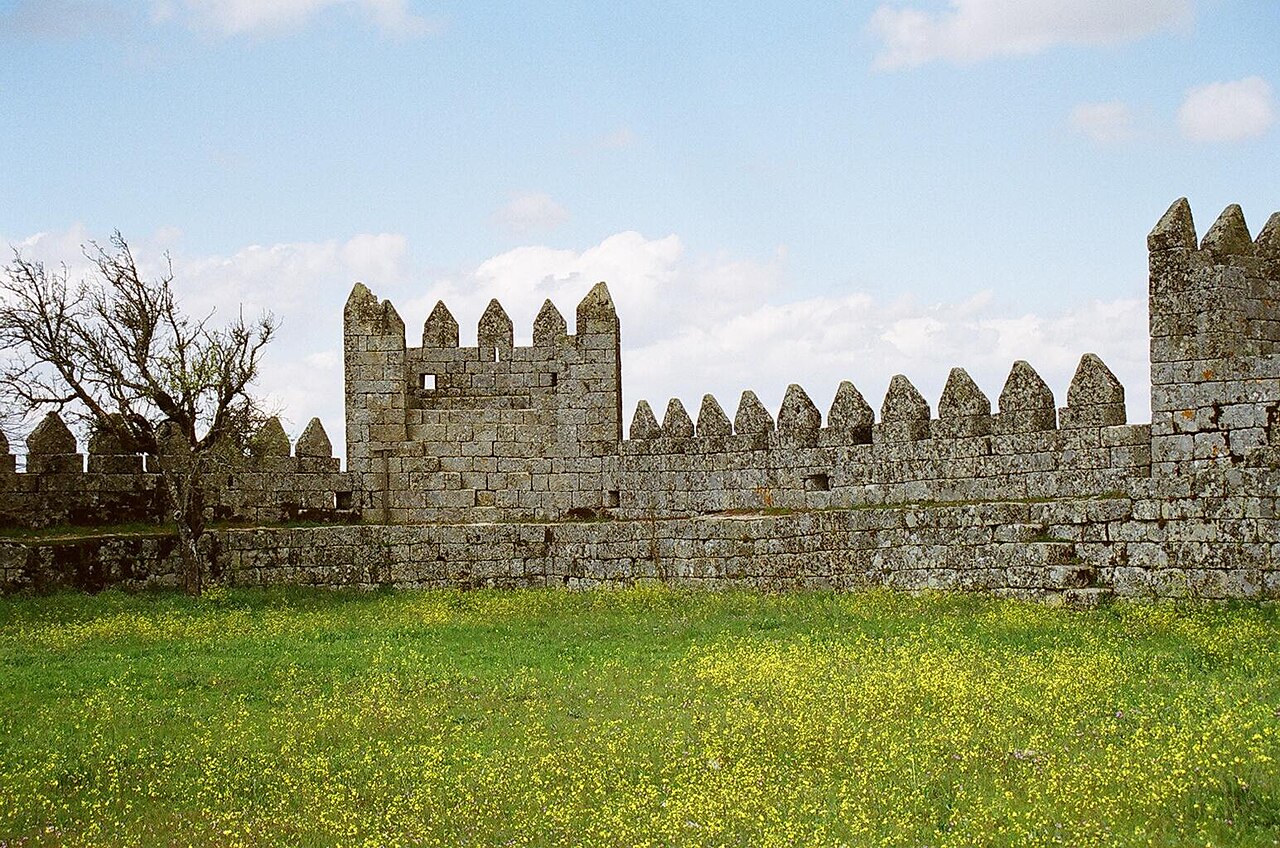
The drive from Belmonte to Trancoso is about 70 to 80 km, depending on the route. Set aside the morning or early afternoon for the historic centre, which retains substantial sections of walls and several gates. Porta d’El Rei is one of the best-known entrances. Inside the walls, walk the old streets, notice the stone houses and look for the area associated with the former Jewish quarter.
Trancoso Castle and the walls are the main landmarks on a walking tour. St Peter’s Church and the civic centre add to the visit, while the streets reward a slower pace. How long you need depends on access to individual monuments and your walking speed; allow two to three hours for the historic core, with extra time if you plan to visit indoor sites.
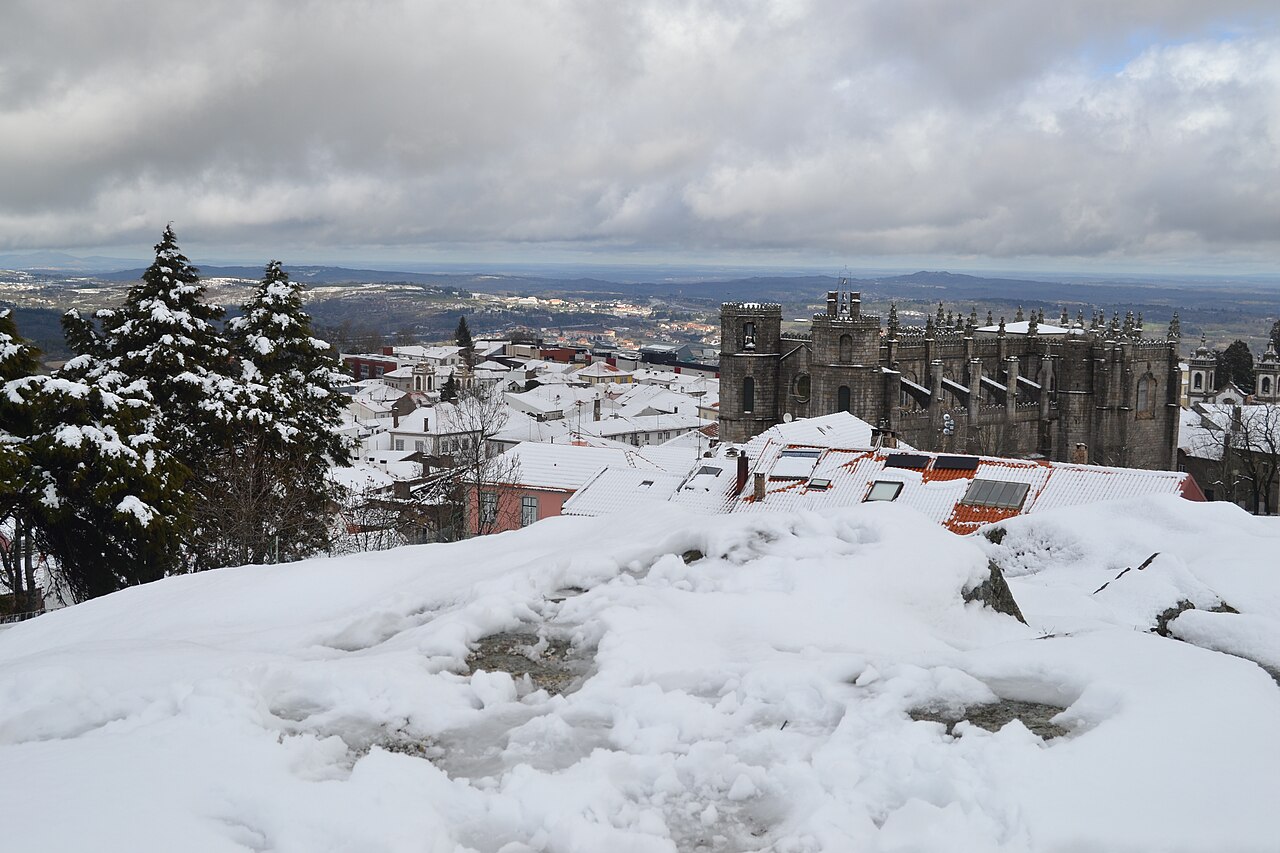
Trancoso is also a useful starting point for extending a trip through the region. For a wider detour, the city of Guarda is within reasonable driving distance; the Serra da Estrela can also make a worthwhile addition if you have more days. Do not try to include both detours in this three-day itinerary without cutting time from the villages.
Driving, meals and visiting opening hours
This route works best by car, but it should not be treated as a quick dash between monuments. Access roads into historic centres can be narrow, and parking is often outside the oldest streets. Use designated parking and explore the village on foot. Check your route and road conditions before each stage; mobile coverage can be patchy in rural areas.
There is no single opening schedule for museums, churches or interpretation spaces across the five villages. Access may change with the season, day of the week and local arrangements. Check official information or contact venues before building your day around an indoor visit. If a site is closed, walking the streets, walls and surrounding landscape remains a central part of the itinerary.
Plan proper meal stops rather than relying on a quick break in every village: food options may be limited or keep different hours from those in larger towns. Carry water and a few snacks, especially for the journey between Idanha-a-Velha and Sortelha. In summer, start early and avoid the hottest part of the day; in winter, check the weather and allow extra time for driving.
Frequently asked questions
Can I do this itinerary without a car?
It is possible to combine public transport and taxis, but connections between the villages are limited and may not fit your sightseeing schedule. A car is the most practical option for completing the route in three days; check local timetables before travelling without one.
What is the approximate total driving distance?
The route through Monsanto, Idanha-a-Velha, Sortelha, Belmonte and Trancoso covers roughly 190 to 210 km between the villages. This excludes detours, accommodation transfers and any additional local driving.
How much time should I allow in each village?
As a guide, allow two to three hours in Monsanto, one and a half to two hours in Idanha-a-Velha, about two hours in Sortelha, and two to three hours each in Belmonte and Trancoso. Add time for meals, parking and museum visits.
Where should I stay overnight?
A practical arrangement is to spend the first night near Idanha or Monsanto, and the second in Belmonte or nearby. This avoids unnecessary return journeys and leaves more time for Trancoso on the final day.
This article was prepared with the help of artificial intelligence. Check opening times, prices and access with local providers before you visit.